
Analysis of Patients’ Complaints Regarding Family Physicians Using 937 Databases in the Riyadh Health Cluster 3 Riyadh, Saudi Arabia
*Corresponding Author(s):
Naif AlbudairPreventive Medicine Phsycician And Epidemiologist, Diriyah Hospital, Third Health Cluster, Riyadh, Saudi Arabia
Tel:+966 582229928,
Email:Naifsaud91@gmail.com
Abstract
Introduction: Family Medicine physicians serve as the first point of contact within the health system, playing a pivotal role in delivering comprehensive preventive and curative care. In Saudi Arabia, the Ministry of Health (MOH) has implemented the 937-Service to collect and address patient complaints. This service is a valuable source of feedback, helps evaluate healthcare quality, identifies areas for improvement, and enhances patient satisfaction.
Objectives: This study analyzes complaints against family physicians in Riyadh Health Cluster 3 using 937 database data to identify common concerns and recommend improvements.
Methods: This retrospective cross-sectional study used secondary data from 937 databases. It examined complaints against family medicine physicians at 14 PHCs in Riyadh Health Cluster 3 from January to December 2024. Data analysis was descriptive, with categorical variables summarized as frequencies and percentages.
Results: The findings indicate that patient dissatisfaction is driven primarily by weaknesses in organizational systems and processes, particularly in virtual health platforms, scheduling and staffing, and administrative workflows. These issues, rather than clinical errors, account for most dissatisfaction. Complaints are not distributed evenly. Larger, busier centers see more complaints due to heavier patient demand and greater service pressure.
Conclusion: The study highlights dissatisfaction with family medicine services in Riyadh Health Cluster 3, suggesting improvements to workflows, digital systems, and staff training to enhance continuity of care and the patient experience.
Keywords
Family Medicine; Healthcare Quality Improvement; Patient Complaints; Saudi Arabia; 937 Service; Virtual Clinics
Introduction
Primary Healthcare (PHC) centers serve as the primary point of contact for patients within the healthcare system and play an essential role in improving population health and reducing healthcare costs [1]. In Saudi Arabia, there are 0.74 PHCs per 10,000 people, which provide preventive and primary curative services—including vaccination, maternal health, well-baby clinics, basic dental care, chronic disease management, medication prescription, and health education [2,3]. The Ministry of Health (MOH) has implemented strategies to address challenges in healthcare delivery and enhance the patient experience [4]. One such initiative is the 937-Service (MOH Emergency Call Centre), established in 2013, which operates 24/7 to provide medical consultations, appointment bookings, anti-smoking clinic visits, technical support for MOH e-applications, and handles patient complaints and feedback [5]. Patient complaints encompass physical and emotional issues, diagnostic and prescription errors, negligence, and legal or malpractice incidents, providing valuable feedback for evaluating healthcare quality and driving organizational change to improve patient safety and satisfaction [6]. Assessing patient feedback regarding family physicians is particularly important as they frequently serve as the first point of contact and provide comprehensive care for all age groups and conditions [7]. Satisfied patients are more likely to maintain a positive relationship with the healthcare system, leading to better compliance, continuity of care, and health outcomes. Patient satisfaction also influences provider choice and retention, with satisfied individuals more likely to recommend and remain with their providers [8,9].
Objectives
The main objective of this study is to analyze patient complaints regarding family physicians within The Riyadh Health Cluster 3, Saudi Arabia, using the 937 databases to identify prevalent issues and quality improvement domains.
Specific Objectives
- To determine the frequency and types of patient complaints against family services in the Third Health cluster.
- To investigate potential causes of patient complaints identified.
- To suggest recommendations for improving patient satisfaction and healthcare quality.
Methods
Study Design And Setting
This study is taking place in the Riyadh Health Cluster 3 ,Saudi Arabia, which was established in 2020 and covers the north-west of Riyadh. It provides healthcare services to more than 829,000 beneficiaries through 150 primary care centers and 14 general and specialized hospitals, with a total bed capacity of 1,945. The research was conducted over one year, from March 2025 to February 2026. This is a retrospective cross-sectional study using secondary data on patients’complaints, collected from 937 databases for the period from January to December 2024. It includes data on negative patient feedback towards family medicine physicians from 14 Primary Healthcare Centers (PHCs) in the Third Riyadh Health Cluster.
Participants And Sample Size
The study subjects are the patient complaints recorded in the 937 databases. It's vital to note that the patients themselves are not the direct subjects of the study; rather, it's their complaints that constitute the units of analysis. Some patient demographics were available, such as gender and nationality, whilst others, such as diagnosis and reason for visit, were unavailable. Only complete data, directed against the family medicine physicians at the primary health centers of the Riyadh Health Cluster 3, were obtained.
Data Collection
The data were manually extracted from the 937 database by a representative of the patient experience department at The Riyadh Health Cluster 3. After duplicate complaints and issues related to dental or laboratory services were removed, the final dataset contained 597 complaints. The data include complaint frequencies, types, patients’ genders, names, and numbers of PHCs.
Ethical Considerations
The study was approved by the Institutional Review Board (IRB) at Diriyah Hospital, Riyadh Health Cluster 3, Saudi Arabia. All responses were kept confidential, and data were used strictly for research purposes.
Statistical Analysis
Data analysis was carried out using Microsoft Excel (Microsoft Corporation, Redmond, WA, USA). Descriptive statistics were applied to categorical variables, and results were presented as frequencies and percentages. Ninety-five percent confidence intervals (95% CIs) were calculated for proportions to estimate the accuracy of complaint frequencies. The frequency distribution of patient complaints was examined to identify the most common administrative and clinical complaint categories across primary healthcare centers. Results were summarized and presented using tables and figures to facilitate comparison and interpretation of complaint patterns.
Results
The number of complaints raised by patients of both genders (male and female) is nearly equal. Among the total number of complaints, 299 (50.1%) were made by male patients, and 298 (49.9%) by female patients. This close balance indicates that both genders have equal levels of dissatisfaction with family physician services at primary healthcare facilities in Riyadh Health Cluster 3. The equal expression suggests that gender does not appear to be a key factor in the likelihood of filing a complaint in this group. It further implies that the issues revealed in earlier evaluations, including physician shortages, bureaucracy, and prescription complications, are perceived equally by both male and female patients. Such an equal reporting trend led to the assumption that the main contributors to patient complaints in this setting are systemic or operational factors rather than gender-specific differences in healthcare experiences (Figure 1).
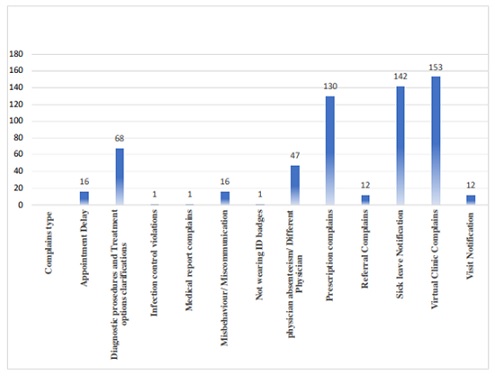 Figure 1: Complaints Types and Frequencies.
The problem analysis, based on patient complaints, identifies multiple recurrent themes that define the problem areas and warrant greater attention in the context of primary healthcare service delivery in Riyadh Health Cluster 3. Unavailability of physicians and administrative delays were the most frequently complained-of issues. In particular, the Physician No Show group had the most complaints (117 cases), indicating that patients often had difficulty meeting their assigned physicians at scheduled appointments. This was immediately preceded by Sick Leave Delay (112 cases) and The prescription has not been issued/signed/received (108 cases), which implied inefficiencies in the administrative procedures and possible delays in the continuation of patient care.
Rather common complaints were Physician Absenteeism (41 cases), Unsatisfactory diagnosis and management (43 cases), and Not wearing ID badge (25 cases). Although these issues are not as common as the leading categories, they still raise considerable concerns about professional behavior and the perceived quality of care. Complaints such as Misbehavior (16 cases), Appointment Delay (16 cases), and Different Physician (16 cases) also highlight dissatisfaction with the consistency of service, communication, and professionalism in the primary healthcare setting.
There were also less common complaints in the category of Medical report denied (5 cases), Technical issues in the app (10 cases), and Refusal of relevant sick leave (13 cases). Though less frequent, these problems are a sign of obstacles to patient satisfaction, in terms of administrative accessibility and technological performance. Uncommon complaints, which occurred once to three times, included prescription errors, delays in making referrals, and physicians' refusal of prescriptions. Although these problems are uncommon, they are severe because of the potential consequences for patient safety and confidence in the healthcare system.
In general, these findings indicate that most patient concerns relate to operational and administrative inefficiencies rather than clinical errors. The fact that complaints about physician availability, sick leave, and prescription handling are the most frequent indicates that there are organizational issues that may need to be addressed through organizational interventions, such as upgrading the scheduling system, making providers more accountable, and simplifying the workflow for electronic prescriptions. The solution to these problems would result in considerable improvements in patient satisfaction, continuity of care, and the quality of primary healthcare services in Riyadh Health Cluster 3.
The complaint type analysis shows unique trends indicating administrative and clinical issues in the primary healthcare service provision setting. The Virtual Clinic Complaints category was the most common (153 cases), indicating that patients identified significant problems with the telemedicine services. These can include difficulties accessing virtual consultations, communication issues during online interactions, or dissatisfaction with the quality of care delivered at a distance. Next in line was Sick Leave Notification, with 142 complaints, indicating weaknesses or sluggishness in administrative procedures for reviewing sick leave requests, which directly affect patient convenience and satisfaction.
Prescription Complaints received third place with 130 cases, and persistent problems in medication management were documented, including delays in prescribing, lost prescriptions, and medication delivery errors. The Diagnostic Procedures and Clarifications came next, with 68 complaints, possibly due to patient dissatisfaction with the way they were diagnosed, inability to understand test results, or a medical judgment error. Also, a common theme was Physician Absenteeism/Different Physician (47 cases), which highlighted continuity-of-care issues and patient frustration when they could not visit their assigned family physician.
The less common complaint categories were Misbehavior/Miscommunication (16 cases) and Appointment Delay (16 cases), indicating that although interpersonal or time-schedule problems are present, they are not as prevalent as administrative ones. There are also rare categories, such as Referral Complaints (12 cases), Visit Notification (12 cases), and a single case each of Infection Control Violations, Medical Report Complaints, and Not Wearing ID Badges, indicating that some cases were not followed by procedures or that communication was ineffective.
All in all, the results indicate that most patient complaints are related to system and administrative inefficiencies, not to actual clinical errors. The prevalence of virtual clinics, sick leave, and prescription-related dilemmas indicates that the digital health services, documentation procedures, and prescription management systems require process optimization. Improving digital infrastructure, enhancing communication channels, and training staff would help address operational issues to improve patient experience and confidence in primary care services in Riyadh Health Cluster 3.
The complaint distribution shows that the East Laban PHC had the most complaints, which may be due to its status as one of the most visited healthcare facilities or to operational challenges affecting patient satisfaction. Prince Sultan PHC also accounted for a significant share of complaints, suggesting a possible issue with service provision or patient load management. Other facilities, such as Muhammadiah PHC 1 and 2, Irqah PHC, Al-Raed PHC, Malqa PHC, Khuzama PHC, and Oyainah PHC, had moderate complaint frequencies, so they are not leaders in the number of complaints; however, they still have recurring service-related issues. In the meantime, facilities such as West Laban, Hittin, Sultanah, and Um-Alhmam PHCs received fewer complaints, which may indicate a positive patient experience or fewer service options. In general, the trend suggests that PHCs with larger sizes or greater centrality, specifically East Laban and Prince Sultan, have higher complaint rates, presumably because of increased patient throughput and demand, which necessitate active quality improvement efforts in large, high-volume centers.
Discussion
The results of the current study on the character and distribution of patient complaints in the primary healthcare facilities of the Riyadh Health Cluster 3 align well with several national studies on patient dissatisfaction and service quality in primary healthcare centers in Saudi Arabia. As an example, Almusawi et al., [10] discovered that management and interpersonal issues were almost 82% of all patient complaints, which is similar to the findings of the current study, with most patient complaints being operational (rather than clinical-related), i.e., physician no-show, delayed sick leaves, prescription inefficiencies, etc. [10]. In the same spirit, Alosaimi [11] found that 97% of complaints in ambulatory clinics were not medical, aiming primarily at the delay in appointments and service inefficiencies, which is similar to the current study and replicates the identification of administrative and logistic deficiencies as the sources of dissatisfaction [11].
The results of the current study agree with those of similar broader studies on satisfaction, where Alhajri et al., [12] and Alhinti et al., [13] both found that overall satisfaction with PHC services was high, with their lowest rated aspects being accessibility and the administrative process, specifically, waiting times and service flow [12,14]. These results support the conclusion of the present study that inefficiencies in the system are more dominant predictors of complaints than either gender or clinical quality. Similarly, according to Alasqah [15], the most prevalent patient safety issues in Qassim PHCs are diagnostic mistakes, communication challenges, and prescription-related complaints, which are directly related to the observations of unsatisfactory diagnosis and prescription-related complaints in the present study [15].
Nevertheless, the results of the present research differ somewhat from those of Alhuseini and Aljabri [16], in which the level of patient satisfaction was comparatively high (85.4%), and males were slightly more satisfied than females [16]. Even though they could see changes in patient experiences over the period, the outcomes of the current study present a more consistent picture of dissatisfaction with the administrative workflow, suggesting regional inconsistency in PHC performance. In the same manner, organizational and socioeconomic factors were the strongest predictors of low satisfaction among PHC patients, as supported by the current study, which observed administrative and access-related problems [17]. Following the present research results that indicated that the complaints were very adjacent to gender, Alhajri et al., [12], as well as Alshammari [18], found that there was very little gender- specific difference in levels of dissatisfaction in Saudi PHCs, which means that the drivers of dissatisfaction in Saudi PHCs are systemic rather than demographic [18]. Moreover, Howsawi et al., [19], who used the Kano quality model, highlighted the importance of the friendliness of staff and the attention of physicians and access to appointments as the core predictors of customer satisfaction, which was also reflected in the present study, in which interpersonal and operational domains were identified as the major sources of complaints [19].
The existing literature on PHC distribution and access imbalance, such as Kattan [20], helps the present study to interpret that large volumes and centrally located centers, such as East Laban and Prince Sultan, can have a high rate of complaints because of the population density and pressure on the services [20]. On the whole, the results of the present research are consistent with the national literature, which cites administrative inefficiencies, barriers to access, and provider availability as the primary sources of patient dissatisfaction, and confirms that clinical care quality is a less common source of complaints in Saudi PHCs.
The findings of the current study are in line with recent national and regional studies examining patient satisfaction levels and trends in complaints in the Saudi primary healthcare system. The researchers determined that although most patients were generally satisfied with the services offered in the military PHCs in Riyadh, dissatisfaction focused on administrative logistics and accessibility, findings that align with the current study, which found the primary cause of patient complaints to be operational and administrative inefficiency [21]. In like manner, Radwan et al., [22] in a systematic review and meta-analysis concluded that accessibility and aspects of health education of PHC services were only satisfied by 41 -47 percent of patients, which are areas that coincide with the frequent complaints of appointment delays and communication gaps in the current study [22]. The findings of the present study also agree with those of Alshahrani [23], who performed a systematic review of the existing literature that found availability, accessibility, communication, and provider behavior to be the best predictors of satisfaction in Saudi PHCs [23]. This aligns with the data presented in the current study, which shows that physician no-shows, sick leave lateness, and poor communication are the main factors contributing to complaints. Conversely, Alhajri et al., [12] recorded quite high levels of satisfaction (83.8) at the national level, but again, the lowest domain scores pertained to the movement of patients through the system, which is also in line with the current research that revealed that inefficiencies in the workflow are still a persistent issue [12].
The findings of the current study, emphasizing the presence of complaints in virtual clinics and technological inefficiencies, are relevant to the findings of Alhinti et al., [13], who concluded that even though 77% of users of virtual consultation rated the experiences positively, the process of digital communication and follow-ups was a problem [14]. In the meantime, Almutairi et al. (2024) found that communication and physician self-introduction were the key causes of dissatisfaction in the context of antenatal PHC services, findings that align with the current study's observation of miscommunication and the absence of provider identification [24].
Alharbi [25] found that patient expectations and perceptions were the most robust predictors of satisfaction in Qassim hospitals, and that demographics had the least impact, findings that align with the current research, which found that almost an equal number of complaints were reported by males and females [25]. On a similar note, Alqahtani and Alanazi [26] reported that overall satisfaction was high, but waiting time and facility design were the greatest sources of dissatisfaction, findings that are also reminiscent of the current study [26].
Interestingly, the findings of the current study can also be supported by Li et al., [27], who also established that a structured complaint management system in PHCs led to a significant increase in satisfaction and a decrease in the number of complaints, suggesting that a structured complaint management system will be useful in Riyadh Health Cluster 3 [27]. Moreover, the Qassim Health Cluster study by Almutairi et al., [24] shows that PHCs were rated as more satisfying than an outpatient department because of a greater level of interaction between the staff and patients and accessibility, which implies that the complaints identified during the current study in Riyadh could be explained by the volume pressure in high-traffic PHCs such as East Laban PHC (Almutairi et al., 2024) [24].
Alsubahi et al., [28] supported the present study's finding that communication, continuity, and access are key factors in determining satisfaction. In their investigation of diabetic patients in PHCs in Jeddah, they found that access to care and physical comfort had the greatest effect on satisfaction, in line with the present study's results, which indicate that patient accessibility and service flow within the administration are the main factors driving most complaints [28]. Generally, these other studies support the current study's findings that systemic inefficiencies, administrative barriers, and poor communication channels are the main factors contributing to patient dissatisfaction in Saudi PHCs, whereas clinical quality and gender differences have little influence. All the evidence points to the necessity of quality improvement interventions based on the digital service efficiency, workflow redesign, and patient-provider communication in high- volume PHC facilities.
Implications For Future Research
The study's findings have important implications for policy, practice, and future research in Saudi primary healthcare settings. Given that the majority of the complaints were operational and administrative rather than clinical, future quality improvement initiatives should prioritize workflow redesign, appointment management, and provider availability, particularly in high- volume PHCs.
At the organizational level, implementing structured, centralized complaint management systems, supported by digital tracking and feedback loops, could enhance responsiveness and address recurring dissatisfaction. Integrating complaint data into routine performance monitoring would allow administrators to identify recurring system bottlenecks and evaluate the impact of corrective actions.
From a service delivery perspective, targeted interventions such as optimizing physicians' scheduling to reduce no-show incidents, streamlining sick leave issuance processes, and improving digital communication platforms and virtual clinic follow-up systems are recommended. Strengthening patient-provider communication skills through continuous professional development may also address interpersonal-related complaints.
For future research, mixed-methods studies incorporating qualitative interviews in focus groups are recommended to provide deeper insight into patients' perceptions and expectations underlying complaint behavior. Longitudinal studies could further assess the effectiveness of administrative reforms and digital health interventions on trends in complaint rates over time.
Moreover, comparative studies across different health clusters or regions would help determine whether the observed dissatisfaction pattern reflects system-wide challenges or regional performance variability. Evaluating the relationship between complaint frequency , patient satisfaction, and clinical outcomes may also provide a comprehensive assessment of care quality. Overall, this study underscores the need for system-level quality improvement strategies that emphasize accessibility, efficiency, and communication, particularly in high-demand PHC facilities, to enhance the patient experience and sustain trust in primary health care services.
Limitations
Despite the valuable insights this study provides, several limitations should be acknowledged. First, the study relied on secondary data, which captured patients who formally submitted complaints. This might underestimate the actual level of dissatisfaction , as many patients may choose not to report a negative experience due to a lack of awareness of reporting mechanisms, time constraints, or low expectations of responses. Second, the analysis was limited to the primary health care centers within Riyadh Health Cluster 3, which might limit the generalizability of the findings to other clusters, rural settings, or regions with different population densities and service capacities. Variation in administrative structures, staffing models, and patient volumes across regions may influence complaint patterns.
Third, the study focuses on the categorization and frequency of complaints, without incorporating qualitative patient narratives or direct patient interviews. As a result, deeper contextual factors, such as patient expectations, cultural perceptions of care, or emotional response to service delays, could not be fully explored.
Additionally, the demographic variables were limited, and factors such as educational level, socioeconomic status, health literacy, and chronic disease burden were not available for analysis. These variables may influence both patient expectations and complaint behavior.
Finally, the cross-sectional design of the study does not allow for causal inference or for evaluating changes over time. Improvements or deteriorations in administrative efficiency, staffing , or digital services could not be assessed longitudinally.
Acknowledgment
The author and Co-Authors wish to express heartfelt gratitude to the Institutional Review Board (IRB) of The Riyadh Health Cluster 3 for their invaluable guidance throughout this study. Appreciation is also extended to the patient experience representative at the cluster for providing data and for their unwavering support during the research process.
Declarations
The Institutional Review Board (IRB) of The Riyadh Health Cluster 3 approved the study. Confidentiality and ethical considerations were maintained throughout the research. No external funding was received for this study.
References
- Starfield B, Shi L, Macinko J (2005) Contribution of primary care to health systems and Milbank Quarterly 83: 457-502.
- Al Saffer Q, Al-Ghaith T, Alshehri A, Al-Mohammed R, Al Homidi S, et (2021) The capacity of primary health care facilities in Saudi Arabia: infrastructure, services, drug availability, and human resources. BMC Health Services Research 21: 365.
- Al Saffer Q, Al-Ghaith T, Alshehri A, Al-Mohammed R, Al Homidi S, et al. (2020) The public health care system and primary care services in Saudi Arabia: a system in Eastern Mediterranean Health Journal 26: 468-476.
- MOH (2019) Saudi Healthcare Complaint Ministry of Health, Saudi Arabia.
- MOH (2023) MOH Minister to Launch the 937-Service (MOH Emergency Call Center). Ministry of Health, Saudi
- Reader TW, Gillespie A, Roberts J (2014) Patient complaints in healthcare systems: a systematic review and coding BMJ Quality & Safety 23: 678-689.
- Abdulrahman KB, Alnosian MY, Alshamrani AA, ALassaf HI, Aldayel AS, et (2021) Job satisfaction among family medicine physicians in SaudiArabia. Journal of Family Medicine and Primary Care 10: 2952-2957.
- Prakash B (2010) Patient Journal of Cutaneous and Aesthetic Surgery 3: 151-155.
- Baba I (2004) Experiences in quality assurance at Bawku Hospital Eye Department, Community Eye Health 17: 31-35.
- Almusawi MA, Radwan N, Mahmoud N, Alfaifi A, Alabdulkareem K (2023) Analysis of patients' complaints in primary healthcare centres through the Mawid app in Riyadh, Saudi Arabia: A cross-sectional study. Malaysian Family Physician: The Official Journal of the Academy of Family Physicians of Malaysia 18: 17.
- Alosaimi S (2019) Patient complaints about healthcare in ambulatory care clinics at King Abdulaziz Medical City, Riyadh, Saudi Journal of Health Informatics in Developing Countries 13.
- Alhajri SM, Aljehani NM, El Dalatony MM, Alsuwayt SS, Alhumaidany TM, et al. (2023) Patients’ satisfaction with the quality of services at primary healthcare centers in Saudi Cureus 15: 45066.
- Alhinti SF, Altulaihi BA, Abdulmajeed I (2025) Patients’ satisfaction with primary healthcare (PHC) services at King Abdulaziz Medical City (KAMC), Riyadh, Saudi Journal of Family Medicine and Primary Care 14: 699-705.
- Alhinti SF, Altulaihi BA, Abdulmajeed I (2025) Patients’ satisfaction with primary healthcare (PHC) services at King Abdulaziz Medical City (KAMC), Riyadh, Saudi Journal of Family Medicine and Primary Care 14: 89-98.
- Alasqah I (2023) Patients’ perceptions of safety in primary healthcare settings: A cross-sectional study in the Qassim region of Saudi Healthcare 11: 2141.
- Alhuseini A, Aljabri S (2025) Navigating the patient experience in primary healthcare clinics in the eastern province of Saudi Arabia: A secondary analysis Frontiers in Medicine 12: 2141.
- AlOmar RS, AlShamlan NA, AlAmer NA, AlThumairi AA, Almir BM, et al. (2021) Perceived barriers to primary care services utilization and its associations with overall satisfaction of patients in Saudi Arabia: A cross-sectional questionnaire-based Journal of Primary Care & Community Health 12: 21501327211014065.
- Alshammari F (2014) Patient satisfaction in primary health care centers in Hail City, Saudi Arabia. American Journal of Applied Sciences 11: 1234-1240.
- Howsawi AA, Althageel MF, Mohaideen NK, Khan MS, Alzahrani AS, et al. (2020) Application of the Kano model to determine quality attributes of patient care at the primary healthcare centers of the Ministry of Health in Saudi Journal of Family & Community Medicine 27: 178-185.
- Kattan WM (2024) The state of primary healthcare centers in Saudi Arabia: A regional analysis for PLOS ONE 19: 0301918.
- Al-Sakkak MA, Al-Nowaiser NA, Al-Khashan HI, Al-Abdrabulnabi AA, Jaber RM (2025) Patient satisfaction with primary health care services in Riyadh military primary health care centers, Saudi Arabia: A cross-sectional study. Journal of Primary Care & Community Health 16:
- Radwan N, Alkattan W, Alhajri S (2023) Evaluation of levels and determinants of patient satisfaction with primary healthcare services in Saudi Arabia: A systematic review and meta-analysis. Frontiers in Public Health 11:
- Alshahrani A (2023) Predictors of patients’ satisfaction with primary health care services in Saudi Arabia: A systematic Healthcare 11: 887.
- Almutairi G, Alshmrani LS, Alomairi RM, Alotaibi MS, Alhumaidi NH, et al. (2024). Assessment of pregnant women’s satisfaction with the quality of antenatal care services provided at primary healthcare centers in Saudi International Journal of Women’s Health 16: 123-132.
- Alharbi MF (2022) An investigation into patient satisfaction from the perspective of expectations and perceptions: Evidence from Qassim hospitals in Saudi International Journal of Environmental Research and Public Health 19: 8537.
- Alqahtani AS, Alanazi A (2023) Patient satisfaction with primary health care services in Saudi Arabia: A cross-sectional BMC Health Services Research 23: 1024.
- Li J, Chen L, Zhao X (2024) Complaint management system and patient satisfaction in primary healthcare settings: A controlled intervention BMC Health Services Research 24: 451.
- Alsubahi N, Groot W, Pavlova M (2025) Patient-centered care and satisfaction of patients with diabetes in primary healthcare centers, Jeddah, Saudi Healthcare 13: 211.
Citation: Albudair N, Alsharif S, Alghamdi Z, Althumali Z (2026) Analysis of Patients’ Complaints Regarding Family Physicians Using 937 Databases in the Riyadh Health Cluster 3 Riyadh, Saudi Arabia. HSOA J Altern Complement Integr Med 12: 684.
Copyright: © 2026 Naif Albudair, et al. This is an open-access article distributed under the terms of the Creative Commons Attribution License, which permits unrestricted use, distribution, and reproduction in any medium, provided the original author and source are credited.