
Dogs as a Therapeutic Medium: University Students’ Experiences of Therapy Dogs on Campus
*Corresponding Author(s):
Emily BulkeleyWestern Sydney University, Campbelltown, Australia
Email:N.Peel@westernsydney.edu.au
Abstract
University students experience increased stress during examination periods, detrimentally impacting academic performance and mental wellbeing. Although universities offer counselling and wellbeing services, there is a growing demand for innovative, non-traditional strategies that complement traditional supports. This study explored the influence of therapy dogs on students, across multiple university campuses during examination periods, examining how interactions with the dogs affected students’ perceptions of their health, social behaviours, and stress levels. This study explored the influence of therapy dogs on students across multiple university campuses during examination periods, A qualitative design was used, involving observations of student behaviour during dog interactions and analysis of comments posted on social media promoting the program. Content analysis identified major categories and derived meaning from the data. Findings reveal that therapy dogs distract students from stressful thoughts, foster social connection, and build trusting interactions that encourage openness. The program also appeared to strengthen students’ sense of being cared for by the university, suggesting that Animal-Assisted Therapy may serve as a complementary, integrative approach to supporting student wellbeing.
Keywords
Content Analysis; Stress; Student Wellbeing; Therapy Dogs
Introduction
University students experience heightened stress and anxiety, particularly during examination periods. In Australia, 83% of tertiary students report feeling stressed [1], often experiencing constant strain, sleep disturbances [2], and reduced happiness [3,4]. Increased stress is linked to heavier workloads and competing responsibilities [5] and contributes to impaired memory, problem-solving, and concentration, ultimately affecting academic performance [6,7]. Mental health concerns, including stress, anxiety, depression, and suicidal ideation have been rising among university students [8].
Elevated stress and mental health issues create substantial barriers to learning [9,10]. Students who rely on ineffective coping strategies tend to perform more poorly academically (Dobson, 2012) [11]. Conversely, optimal health and positive emotions are integral to wellbeing [9], and students with lower stress and more positive emotional patterns achieve higher grades [12].
Although universities offer counselling and wellbeing programs [13-15], these services are often under-utilised, leaving stress unresolved [16,17]. Many students prefer to manage difficulties independently, citing time constraints or believing their stress is not severe [16].
Despite the availability of traditional university wellbeing services, their under-utilisation indicates a gap in support for students who are reluctant to engage with formal or clinical pathways. Within an integrative medicine framework, which emphasises multi-modal and complementary approaches to health, therapy dogs offer an innovative, non-traditional strategy that may reach students who would otherwise fall through the cracks of conventional systems. Animal-Assisted Therapy provides a non-confrontational, student-friendly point of engagement that feels less formal than counselling appointments, making it a more accessible entryway to wellbeing support for students who prefer informal, time-efficient, or self-directed methods of managing stress.
Growing research suggests therapy dogs may offer such support. Studies report that interactions with dogs provide comfort, reassurance, and relaxation, with the benefits particularly relevant during examinations [3,18-22]. Animal-Assisted Therapy (AAT) is used across healthcare, workplaces, schools, and airports [23], with evidence showing dogs reduce stress and foster environments conducive to communication [22]. AAT also enhances engagement, interactive behaviours, verbal communication, and socialisation [24-26]. Dogs can act as social facilitators, increasing confidence and reducing loneliness by promoting a sense of belonging [27-32]. Overall, AAT programs help individuals relax, reduce stress, and feel secure [18,21,22].
Within integrative health, which emphasises supporting the whole person within their social and emotional context, therapy dogs may also function as therapeutic catalysts that facilitate trust and openness. Emerging evidence suggests that the presence of a dog can accelerate emotional vulnerability, with individuals more willing to disclose personal experiences including past trauma or current health challenges than they might in traditional clinical environments. The dog acts as a social buffer, reducing the intensity of direct one-on-one interaction and creating a more relaxed, non-judgemental atmosphere. This buffering effect may position Animal-Assisted Therapy as a valuable pre-therapeutic step, helping students feel more comfortable expressing their feelings and potentially increasing their receptivity to engaging with conventional counselling or wellbeing services.
Despite growing interest, human–animal interaction research remains emergent. Most existing studies are randomized controlled trials with post-secondary students, and there is limited qualitative research exploring students’ perceptions of canine interventions, particularly outside clinical settings [21,33]. There is also little data on observable participant behaviours, emotional expression through body language, or experiences communicated via contemporary platforms such as social media. Understanding the impact of therapy dogs within university environments is therefore essential to addressing student wellbeing and warrants further investigation.
Methods
The study explored students’ perspectives on the impact of therapy dogs on campus during examination periods using a two-phase qualitative design incorporating observational methods and textual analysis [34]. Participants were recruited from five university campuses over a 10-day examination period, with ethics approval obtained from the relevant university committees.
Planned dog sessions were advertised via university social media posts and through word-of-mouth. Analysis of social media data allowed researchers to derive meaning in the language and expression used by students. The open-ended nature of qualitative inquiry allowed for a deeper understanding of students’ emotional responses to the dogs, as it is often the emotions influencing a persons’ decisions and behaviours [35].
The dogs were from a not-for-profit therapy dog organisation, where the dog handler teams all undergo standardised training and meet the same risk and safety requirements. A total of 10 dog therapy sessions were delivered over the two-week examination period, with the same dog handler teams used to ensure continuity. In phase one students who approached and engaged with the dogs for more than 30 seconds and consented to being involved in the study, had their interactions observed. Consent was indicated by using coloured dots placed on participants. Participant observations were taken by a Single Rater (EB) and manually recorded onto the observation sheets, using a behaviour observation sheet that was created (Figure 1).
In phase 2, social media posts was used as an additional data source as it is an growing area of qualitative research and offered a way of understanding experience through analysis of participants’ communication and connections [36] and considering the population of the study, university students are more likely to be social media users [37]. The dogs on campuses sessions were advertised on the university student page one week prior and again on the day of the session. Student comments responding to these posts were compiled into a single document than analysed across all 10 sessions.
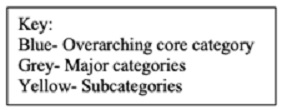 Figure 1: Diagram illustrating core category, major categories and subcategories.
Data analysis
Phase one analysis involved tallying all observational sheets into the same categories. Forty-six detailed participant observations were recorded across the five campuses, focusing on body language, eye contact, and topics of conversation. This observations provided insight into the behaviours expressions of students interacting with the dogs. Coding followed a constant-comparison approach, with emerging codes refined into categories through discussion until consensus was reached. This process generated four major categories and an overarching core category.
Phase Two analysis examined 881 social media comments. All data were imported into NVivo 12 for coding. Comments were clustered to support context-based interpretation. Coding followed established content-analysis procedures involving organisation, familiarisation, coding, and categorisation [38,39]. A second coder reviewed the coding structure to establish reliability, and member checking was used to verify consensus and ensure accurate interpretation. Forty codes were identified, which were then synthesised into four major categories and a core category representing students’ perceptions of therapy dogs on campus.
Results
The reasons for being on campus were similar with most students coming to study, take examinations, or see the dogs. For some campuses, more observations were able to be taken, however some sessions were quieter with only a few students attending.
Dogs facilitating connections
The presence of therapy dogs connected individuals by acting as a catalyst for communication. Dogs provided a talking point and common ground for participants, allowing conversations to flow more easily. Participants talked about their own pets and the benefits they experienced from interacting with the therapy dogs. Even students who attended the sessions alone, had conversations with others, reflecting the connections the dog’s presence encouraged. Participants patting the dogs appeared more comfortable and relaxed. Participants talked to others about their experiences during the exams, and their plans for after exams. They were also seen to maintain eye contact with those they were talking to, have a relaxed tone of voice in conversation, and be smiling or laughing whilst patting the dogs. Similarly, attendance at the sessions encouraged more face-to-face interactions helping to develop social networks and benefit wellbeing. This was illustrated by the social media posts being used as a platform to notify friends about the upcoming sessions, encouraging them to go along, or making plans to meet up to see the dogs. For example, one student who commented, “someone come to my campus with me to hug dogs” and another who tagged a friend followed by the comment, “…PUPPIES AT UNI ON TUESDAY LETS GO”. Similarly, other students recognised their friends’ interest in dogs and suggested they go along as seen in their comment, “hahahahaha!! I always see you commenting on dog photos, so I was like omg I have to tag her she'll love this ”. Another student appreciated the opportunity it presented to catch up with friends, “Will be good to see you on campus again”.
Dogs as distractors (psychological/emotional)
This category relates primarily to the presence of therapy dogs altering the typical stressful university environment, thereby influencing the emotional responses of students. The dogs’ presence provided a welcomed distraction with one participant overheard saying “Dogs are a great distraction” they “make [students] want to leave what [they] are doing [to] come pat the dogs”. Visiting the dogs on campus was also considered an ideal study break with a social media post suggesting friends “maybe pet some puppies during your study break?”. Additionally, other students agreed going to see the dogs provided a chance to destress and avoid thinking about the exams for some time as demonstrated in their comments: They stated that “Exam stress will just be replaced with Pupper love”, “omgggg let’s go before our exam starts to relax us hahahah” and “good way to relax during exams”. Additionally, having the dogs on campus was seen by some as greater motivation to come to campus; “I would’ve come just for the dogs had I known” and “I don’t even have an exam but I’m going to go pat some doggos”, “I WOULD GO TO UNI JUST FOR IT!!!” and “I'm literally highly contemplating making a trip [to campus] during lunch just for the dogs”.
The therapy dogs were observed to have a relaxing effect on participants as seen through changes in their body language, and students stayed for extended periods of time patting them. One participant from the observations was seen to take their time approaching the group and getting to know one of the dog handlers as they patted the dogs. As time passed, participants became more comfortable with the dogs being observed cuddling them, going between patting different dogs, and more openly laughing and smiling with friends, suggesting the dog influenced their emotions through distraction. Another student demonstrated the way dogs can be a distraction through observing them race over to see the dogs, and straight away sit down with them and talk to the dog handler about their love for dogs. They were overheard saying, “It’s just what I need right now”; [and then to the dogs] “I love you”, suggesting the dogs took their focus away from stressful thoughts.
Dogs encouraging trust and openness
The dogs encouraged students to feel more comfortable by providing a buffer during social interactions. It meant that students did not need to have direct one-on-one conversations with others, which could have been intimidating. Overheard conversations found students to be talking openly with others about their experience during the exams, including how they were preparing for exams and managing stress. Students were overheard to have more open conversations about their health, emotions, and/or feelings with one student indicating they felt “much better now” and another heard saying, “Right now I’m not even stressed”. An example of the way the dogs encouraged students to engage can be seen through the experiences of the following student: appeared nervous when first arriving at the sessions as could be seen from their unwillingness to get too close to the dogs and appearing tense and agitated any time the dogs made sudden movements. As time went on, they appeared more comfortable with the dogs, eventually kneeling to pat the dog. This student spoke of a negative experience from their childhood where they had been chased and almost bitten by a large dog, which had left them afraid of dogs. They were heard saying “This is really scary for me” demonstrating the way the dog created a trusting bond with strangers, with the participant feeling comfortable enough to open up about a personal experience where they had been vulnerable. After the interaction, they were grateful to the dog handlers overheard saying, “I love dogs but I’m quite scared of some breeds. Thank you so much. I really like this”.
Dogs influencing student-university relations
This category relates to the changing and developing relationship between the student and the university in relation to supporting therapy dog programs. Across the social media posts, the consensus was students were happy their fees and the university supported these types of initiatives. For example, one commented “so much respect for [the university]”, and another said, “this is probably the best decision [university] made”. Alternatively, some students aired their frustrations about these types of supports services, for example, commenting it is a “waste of uni fees” and another who said the dogs will just “add to the stress”. However, these comments involving students expressing negative attitudes had a minor representation in the context of all the data. There was a large volume of students whose comments were coded as ‘feelings of missing out’, as they were unaware the dog sessions were happening and were not able to visit campus. For example, “THERE WAS LITERALLY PUPPIES AND I DIDNT KNOW IM SO UPSET”, and “…ya kidding?! Why not tomorrow”, and “…they’ll be gone by the time i get there”. Many students who expressed frustration and disappointment the dogs were not visiting their campus related to organisational reasons by the university. For example, “why not [my] Campus ”, Participant 78 said, “None for [my] campus? What am I supposed to do before my exam?”, and “No [my campus] againnnnnnn”.
Dogs acting as therapeutic mediums
Ultimately, the core category derived from the data and known as ‘Dogs acting as therapeutic mediums’ connects all the major categories. With regards to ‘Dogs facilitating connections’, attendance at the dog therapy sessions offered a way students could connect with others through their shared experiences with the dogs. This is supported through conversations observed between students in the presence of the dogs. Moreover, the presence and petting of the dogs helped to relax students, as was observed when looking at their body postures, facial expressions, and tone of voice, reflecting how dogs can be ‘distractors’. The ‘distraction’ helped students focus on something other than exam stress and lift their mood, as was overheard in numerous conversations. The presence of the therapy dogs also acted as a catalyst for communication, creating open channels between students as they discussed their experiences with animals, exams, own pets or other things happening in their lives, further reflecting the way dogs encourage ‘openness’ and acted as ‘connectors’. Thus, the dogs were seen to provide a therapeutic benefit through the students feeling more relaxed and comfortable to share difficulties being faced, and in turn receive advice, guidance, or someone to listen and validate their experiences. In the absence of these dogs, it is unlikely students would have been as open, honest and forthcoming with how they were feeling in first-time conversations with strangers. In connection to the ‘dogs influencing the student-university relationship’, these sessions organised by the university, demonstrated the support they provided to students, potentially improving the relationship with students through them being genuinely looked after.
Discussion
Social connections are essential to help individuals feel supported and a sense of belonging within the university community [22,33,40], who all referred to the presence of dogs having a stress-relieving effect, by creating environments where people felt comfortable communicating. A study exploring the effectiveness of AAT in a college, found interactions with a dog led to significant reductions in self-reported anxiety and feelings of loneliness [30,41]. The ability therapy dogs have to connect individuals were also seen in research by Giuliani and Jacquemettaz [28], which found their presence helped to build therapeutic relationships between people. This is a testament to the findings of the current study related to “Dogs facilitating connections”, as the dogs encouraged communication between people and openness about their experiences with strangers. The dogs gave students something else to focus on, making conversations with strangers more comfortable. Moreover, the presence of the dogs provided an opportunity for social interactions through people congregating together. This could have alleviated feelings of loneliness or isolation, emotions common within the university. For example, even if students came alone to university, the presence of the dogs made them feel as though they had not, demonstrating the ability they had to make people feel connected.
The findings also suggested the dogs helped promote confidence, encouraging students to talk to new people, an unusual occurrence in modern society related to the progression of social media and communication [42]. This supports findings from Baumgartner and Cho [27] which revealed animal therapy could contribute to improved self-esteem and confidence in social situations. The dogs facilitated more face-to-face communication, allowing for stronger connections between people to develop. Equally, it is important to recognise the powerful role social media had in promoting the program, with many notifying friends about the dogs by tagging them on the posts. The absence of social media would have made it difficult to advertise the program and would likely have influenced the number of students who attended. Moreover, social media influenced the other categories developed, through creating an opportunity for people to connect over their shared interest in dogs. It further developed the relationship between the student and the university, as was demonstrated by the positive opinions about the program on the posts.
Through interacting with others, students can build a supportive network beneficial if they are having a difficult time and need someone to talk to or to distract them. The way the dogs facilitated communication and connections with others could help build their supportive social networks, beneficial during stressful periods.
The present study recognised the impact dogs can have as distractors from stress. Their presence helped students avoid stressful thoughts by diverting their attention helping them focus on something other than the stress related to examination preparation. Distractions have also been found to be helpful for people as a coping mechanism [43], which was demonstrated in the study as participants indicated they had come to see the dogs for stress relief. Although the dogs may have pulled students’ attention away from studying, they served an important purpose as they were found to shift attention away from negative thoughts. These findings can be validated by Johnson, Meadows, Haubner, and Sevedge [29] which investigated the experiences of patients with cancer and the effects of animals on mood, fatigue, and self-perceived health. Their study found pet therapy provided a distraction and comfort for individuals during stressful periods. Further building on the category related to ‘dogs providing distraction’, Sobo, Eng, and Kassity-Krich [44] recognised dogs helped distract children from pain and provided comfort, alongside the study by Coakley and Mahoney [31], which acknowledged interacting with animals helped to distract people from monotonous routines. All these findings mirror those of own study, where it was evident the dogs’ presence comforted students and offered them a distraction from stressful thought patterns.
Similarly, in employment, Barker et al., [45] noted the presence of animals in the workplace reduced employees stress whilst also increasing productivity. Some participants in our study stated they thought the presence of dogs on campus would increase their productivity. On the contrary, there were a few students who believed the dogs would become a negative distraction and provide a reason to avoid studying. This is a finding not previously noted in the literature and should be considered as it could have implications for academic performance. Future university dog visit programs should be mindful of this to ensure the therapy dogs are being used appropriately and effectively.
Across the data, participants consistently revealed the relaxant and stress-relieving effect the presence of the therapy dogs. Research from Binfet [3] found animals provided a sense of comfort, reassurance, and relaxation, all of which are beneficial for students completing exams. This was replicated in our study with students reporting the dogs relaxed them and distracted them from thinking about their exams. On the social media posts, students were seen telling their friends to go see the dogs, as they believed it would help them relax before exams. Furthermore, a comparable study by Griffith [40] identified the mental and emotional benefits of interacting with therapy dogs around mood elevation and stress-relief. As seen in our study, during observations students reported the presence of the dogs made them feel happier, less stressed, and motivated, mirroring Griffith’s [40] findings. Multiple other studies have also deduced the positive effects therapy dogs had on mood, stress, and anxiety such as participants reporting they felt happier, comforted and relaxed after a visit from therapy dogs (Coakley & Mahoney, 2009; Grajfoner, Harte, Potter & McGuigan, 2017; Nepps, Stewart & Bruckno, 2014) [21,31,41]. These findings complement the current study, with the dogs providing a temporary distraction, engendering happiness and creating a relaxed atmosphere. This was revealed through body language observed such as smiling, laughing, and talking openly with strangers. Furthermore, across the social media posts, there were positive attitudes towards the program and excitement as students believed it would help them relax and reduce stress around exams.
Aubrey Fine [46] suggested people tend to find it easier to open up about themselves to animals, or in the presence of them, to other people. The non-judgemental and accepting nature of dogs helps to establish a bond and create a trusted connection between the human and animal [40]. Our findings suggest this may have extended to their interactions with others, through the dogs helping create a space where students felt comfortable and more inclined to talk to strangers. The ability the dogs had to encourage trust and openness with others is new knowledge not yet evident in the literature. This new finding deepens the understanding of how dogs can be therapeutic by facilitating open communication with others. This meant students were more willing to reveal personal experiences, opening up conversations about difficulties they were facing, and thus promoting their mental wellbeing. Interestingly, it appeared students were sharing information about themselves more quickly, instead of waiting for longer-term conversations expected before people become more open. This was mainly related to participants becoming increasingly comfortable in the environment with the dogs present, and more relaxed with time.
Our study recognised the connections therapy dogs encouraged, through creating opportunities for open communication. This reflects findings by the American Counselling Association [30] which found dogs provided people with a sense of belonging and security. In our study, for students who can sometimes feel intimidated going to university alone or being on their own, the dogs offered a place where they could feel comfortable, and as a result, more were prepared to share their feelings. Comparable studies support the findings of our studies, through recognition the dogs provided comfort and encouraged people to open up about their experiences [4,47-49].
Previous studies have recognised the various university support services available to improve wellbeing and stress management [13,14]. Despite numerous resources, studies have shown these programs are underutilised due to students’ unwillingness to seek help [17]. As such, research has highlighted the need for innovative support services to help students struggling to manage stress related to heightened university expectations. Our study demonstrated a significant amount of student support for the program running on campus and an appreciation for its uniqueness. Within an integrative model of health, the university environment itself becomes part of the healing process, and the provision of non-traditional supports such as AAT appeared to deepen students’ sense that the institution was genuinely looking after their wellbeing. This demonstrates the way the program helped to develop a positive relationship between the student and the university through the university recognising an issue, making a change to address it, and the students reaping the benefits. This was despite a minor representation of students who did not support the program.
Animals have been integrated into various areas of individual’s lives, with new understandings of their benefits as therapeutic mediums being explored. The presence of therapy dogs offered an innovative way for students to connect with others through their shared experiences. This echoed the findings of research by Lannon and Harrison [33] which found therapy dogs provided a non-confrontational and student-friendly means of promoting wellbeing. They also found the dogs presence promoted communication between people, resonating strongly with our study’s findings. Notably, the patting of the dogs helped to relax students by distracting them from stressful thoughts. Thus, encouraging students to trust one another and converse more easily with strangers. Our study further developed ideas previously presented that a bond exists between humans and animals and can be utilised to influence emotional responses for individuals experiencing negative thought patterns [40,50]. Overlapping with findings presented by Yap, Scheinberg, and Williams [51], in our study the therapy dogs provided comfort in the stressful environment, reflecting their therapeutic effects. This was reflected by multiple students indicating they had come to see the dogs because they believed it would help relax them before exams. Additionally, in the study by Giuliani and Jacquemettaz [28], the dogs provided a source of motivation for patients when engaging in therapy sessions with therapists. These findings were echoed in our study with students coming to campus for the sole purpose of seeing the dogs, alongside the presence of the dogs helping them to connect with others and be more open with their emotions to strangers. Ultimately, the dogs acted as therapeutic mediums through creating comfortable environments, invoking positive emotions for participants, and encouraging them to trust others as they spoke openly about their experiences.
It is important to note the limitations of our research so future studies can address these accordingly. There were some limitations identified in the process of data collection. Several methodological limitations should be acknowledged. First, selection bias is likely, as students who dislike or fear dogs may have avoided the sessions. Consequently, the findings predominantly reflect the experiences of students who are comfortable with or positively inclined toward dogs. Future research could incorporate strategies such as targeted recruitment, anonymous surveys, or alternative wellbeing interventions to capture perspectives from students with diverse attitudes toward animals.
Second, in Phase One, all behavioural observations were conducted by a single rater, which may introduce subjectivity into the interpretation of physical interactions. Although Phase Two incorporated a second coder to enhance reliability, the absence of multiple observers in Phase One limits the ability to assess inter-rater consistency. Future studies would benefit from using multiple trained observers to strengthen the reliability of behavioural data.
Conclusion
A unique insight into the effects of therapy dog’s presence for stress experienced by university students has been explored. Reflecting the expected outcomes of the research, this study offered qualitative insights into the student experiences regarding how dogs facilitated stress relief. Consistent with the findings of previous research, a range of positive effects were denoted related to the overarching core category of the dog’s ability to act as therapeutic mediums. Our results revealed how dogs distract students from stressful thoughts, create connections between students, build trusting relations with strangers encouraging openness, and develop and deepen the student’s relationship with the university. Collectively, these findings expand on available research and contribute new understandings around the utility of therapy dogs in non-clinical settings, thus warranting the need for further exploration.
Limitations
Due to restrictions of time and the nature of taking observational notes with a single rater, a limited number of detailed observations were made. Regardless, a large sample of students were considered in the study through being observed or their social media activity on the promotional posts.
Declaration of Interest Statement
The authors have no conflicts of interest to report. The authors confirm that the research presented with ethical approval being granted from the Western Sydney University research committee.
References
- Headspace (2016) National Tertiary Student Wellbeing Survey 2016. Headspace, Australia.
- Thompson AC (2019) Free mental health and wellbeing resources for students. The University of Melbourne, Australia.
- Binfet JT (2017) The effects of group-administered canine therapy on university students’ wellbeing: A randomized controlled trial. Anthrozoos 30: 397-414.
- Ward-Griffin E, Klaiber P, Collins HK, Owens RL, Coren S, et al. (2018) Petting away pre-exam stress: The effect of therapy dog sessions on student well-being. Stress and Health 34: 468-473.
- Katcher AH, Beck AM (2010) Handbook on Animal-Assisted Therapy (Third edition). Theoretical Foundations and Guidelines for Practice 49-58.
- January J, Madhombiro M, Chipamaunga S, Ray S, Chingono A, et al. (2018) Prevalence of depression and anxiety among undergraduate university students in low- and middle-income countries: A systematic review protocol. Systematic Reviews 7: 57.
- Vogel S, Schwabe L (2016) Learning and memory under stress: Implications for the classroom. Science of Learning 1:
- Storrie K, Ahern K, Tuckett A (2010) A systematic review: Students with mental health problems—A growing problem. International Journal of Nursing Practice 16: 1-6.
- Australian Government (2016) Mental health in higher education. Office for Learning and Teaching, Australian Government, Australia.
- Muckle J, Lasikiewicz N (2017) An exploration of the benefits of animal?assisted activities in undergraduate students in Singapore. Asian Journal of Soc Psychol 20: 75-84.
- Dobson C (2012) Effects of academic anxiety on the performance of students with and without learning disabilities and how students can cope with anxiety at school. Northern Michigan University, Michigan, USA.
- Stupnisky R, Perry R, Renaud R, Hladkyj S (2013) Looking beyond grades: Comparing self-esteem and perceived academic control as predictors of first-year college students' well-being. Learning and Individual Differences 23: 151-157.
- Baik C, Larcombe W, Brooker A, Wyn J, Allen L, et al. (2017) Enhancing student mental wellbeing: A handbook for academic educators. The University of Melbourne, Melbourne, Australia.
- Crawford NL, Johns S (2018) An academic’s role? Supporting student wellbeing in pre-university enabling programs. Journal of University Teaching & Learning Practice 15: 1-21.
- Regehr C, Glancy D, Pitts A (2013) Interventions to reduce stress in university students: A review and meta-analysis. Journal of Affective Disorders 148: 1-11.
- Crossman MK, Kazdin AE, Knudson K (2015) Brief unstructured interaction with a dog reduces distress. Anthrozoös 28: 649-659.
- Downs MF, Eisenberg D (2012) Help seeking and treatment use among suicidal college students. Journal of American College Health 60: 104-114.
- American Addiction Centers (2018) Understanding the benefits of animal-assisted therapies. American Addiction Centers, USA.
- Cherniack EP, Cherniack AR (2014) The benefit of pets and animal-assisted therapy to the health of older individuals. Current Gerontology and Geriatrics Research2014:
- Cole KM, Gawlinski A, Steers N, Kotlerman J (2007) Animal-assisted therapy in patients hospitalized with heart failure. American Journal of Critical Care 16: 575-585.
- Grajfoner D, Harte E, Potter LM, McGuigan N (2017) The effect of dog-assisted intervention on student well-being, mood, and anxiety. International Journal of Environmental Research and Public Health 14: 483-492.
- Jarolmen J, Patel G (2018) The effects of animal-assisted activities on college students before and after a final exam. Journal of Creativity in Mental Health 13: 264-274.
- Binfet JT, Passmore HA, Cebry A, Struik K, McKay C (2018) Reducing university students’ stress through a drop-in canine-therapy program. Journal of Mental Health 27: 197-204.
- Dilts R, Trompisch N, Bergquist T (2011) Dolphin-assisted therapy for children with special needs: A pilot study. Journal of Creativity in Mental Health6: 56-68.
- Koca TT, Ataseven H (2016) What is hippotherapy? The indications and effectiveness of hippotherapy. Northern Clinics Of Istanbul2: 247-252.
- Mangalavite AM (2012) Animal-assisted therapy: Benefits and implications for professionals in the field of rehabilitation. Southern Illinois University, Rehabilitation Institute. Illinois, USA.
- Baumgartner E, Cho J (2014) Animal-assisted activities for students with disabilities: Obtaining stakeholders' approval and planning strategies for teachers. Childhood Education 90: 281-290.
- Giuliani F, Jacquemettaz M (2017) Animal-assisted therapy used for anxiety disorders in patients with learning disabilities: An observational study. European Journal of Integrative Medicine14: 13-19.
- Johnson R, Meadows R, Haubner J, Sevedge K (2008) Animal-assisted activity among patients with cancer: Effects on mood, fatigue, self-perceived health, and sense of coherence. Oncology Nursing Forum35: 225-232.
- American Counselling Association (2015) Animal-assisted therapy: Best practices for college counselling. American Counselling Association, USA.
- Coakley A, Mahoney E (2009) Creating a therapeutic and healing environment with a pet therapy program. Complementary Therapies in Clinical Practice15: 141-146.
- Pikhartova J, Bowling A, Victor C (2014). Does owning a pet protect older people against loneliness? BMC Geriatrics14:
- Lannon A, Harrison P (2015) Take a paws: Fostering student wellness with a therapy dog program at your university library. Public Services Quarterly 11: 13-22.
- Pathak V, Jena B, Kalra S (2013) Qualitative research. Perspectives in Clinical Research 4: 192-192.
- Sutton J, Austin Z (2015) Qualitative research: Data collection, analysis, and management. The Canadian Journal of Hospital Pharmacy 68: 226-231.
- Baruah TD (2012) Effectiveness of social media as a tool of communication and its potential for technology enabled connections: A micro-level study. International Journal of Scientific and Research Publications 2: 1-10.
- Sutherland K, Davis C, Terton U, Visser I (2018) University student social media use and its influence on offline engagement in higher educational communities. Student Success9: 13-24.
- Erlingsson CL, Brysiewicz P (2017) A hands-on guide to doing content analysis. African Journal of Emergency Medicine 7: 93-99.
- Hsieh H, Shannon S (2005) Three approaches to qualitative content analysis. Qualitative Health Research15: 1277-1288.
- Griffith RM (2016) PAWS your stress: Student perspectives of an animal-assisted activity program. University of Saskatchewan, Department of Educational Psychology and Special Education. Saskatoon, Canada.
- Nepps P, Stewart C, Bruckno S (2014) Animal-assisted activity: Effects of a complementary intervention program on psychological and physiological variables. Journal of Evidence-Based Complementary & Alternative Medicine19: 211-215.
- Drago E (2015) The effect of technology on face-to-face communication. The Elon Journal of Undergraduate Research in Communications 6: 13-19.
- Thew KR (2017) The effect of interaction with a therapy dog on college student stress levels as measured by physiological indicators. Washington State University, Educational Leadership Sport Studies and Educational/Counselling Psychology. Pullman, USA.
- Sobo EJ, Eng B, Kassity-Krich N (2006) Canine visitation (pet) therapy: Pilot data on decreases in child pain perception. Journal of Holistic Nursing 24: 51-57.
- Barker SB, Barker RT, McCain NL, Schubert CM (2016) A randomized cross-over exploratory study of the effect of visiting therapy dogs on college student stress before final exams. Anthrozoös 29: 35-46.
- Fine AH (2019) Handbook on animal-assisted therapy: Foundations and guidelines for animal-assisted interventions. Academic press, USA.
- Cole L (2018) The healing power of therapy dogs. American Brain Tumor Association, USA.
- Dell CA, Chalmers D, Gillett J, Rohr B, Nickel C, et al. (2015) PAWSing student stress: A pilot evaluation study of the St. John ambulance therapy dog program on three university campuses in Canada. Canadian Journal of Counselling and Psychotherapy 49: 332-359.
- Jalongo MR, Astorino T, Bomboy N (2004) Canine visitors: The influence of therapy dogs on young children’s learning and well-being in classrooms and hospitals. Early Childhood Education Journal 32: 9-16.
- Binfet J, Passmore H (2016) Hounds and homesickness: The effects of an animal-assisted therapeutic intervention for first-year university students. Anthrozoös29: 441-454.
- Yap E, Scheinberg A, Williams K (2017) Attitudes to and beliefs about animal assisted therapy for children with disabilities. Complementary Therapies in Clinical Practice 26: 47-52.
Citation: Tannous C, Peel N, Bulkeley E (2026) Dogs as a Therapeutic Medium: University Students’ Experiences of Therapy Dogs on Campus. HSOA J Altern Complement Integr Med 12: 671.
Copyright: © 2026 Cathy Tannous, et al. This is an open-access article distributed under the terms of the Creative Commons Attribution License, which permits unrestricted use, distribution, and reproduction in any medium, provided the original author and source are credited.